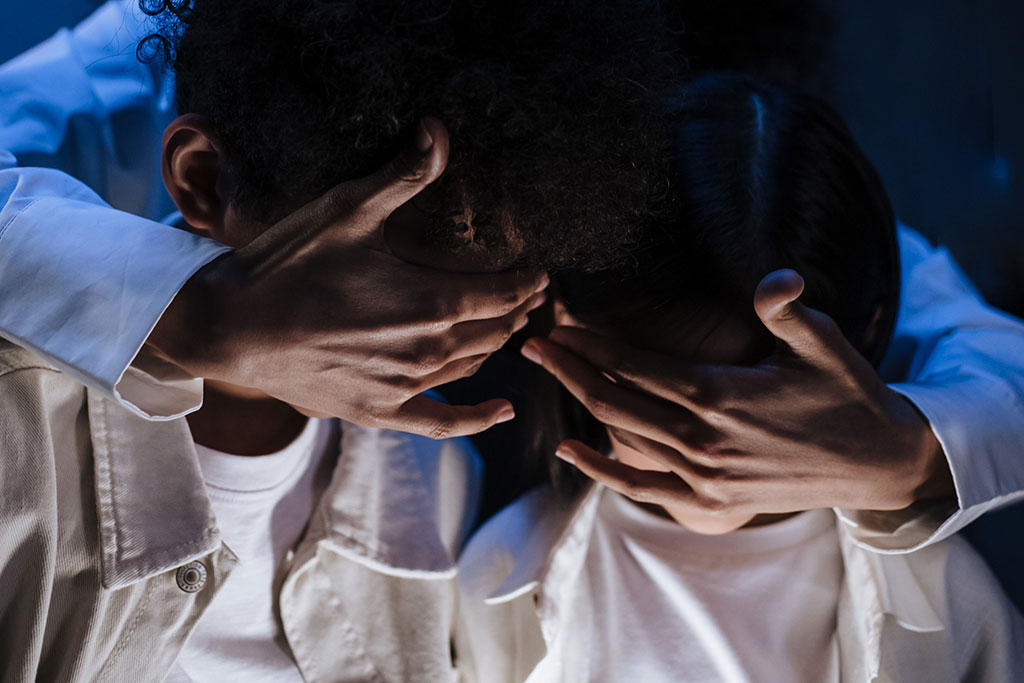
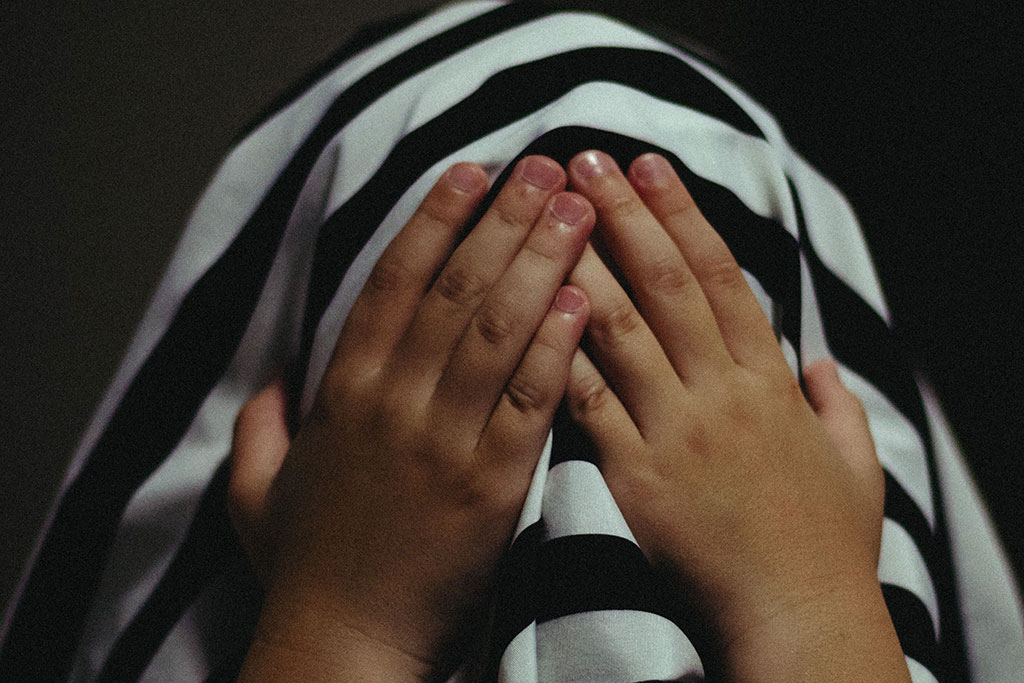
Children see their abusive father in a dual nature -a bully and a winner. They hate and love the abuser at the same time. He is selfish and the same time wields the power that is so desirable.
Since keeping him happy brings a sense of stability, children will do everything in their power to keep him happy for fear that if he is upset, he will make everyone around unhappy. These powerful mixed feelings entrap children will result in unhealthy relationships. It is a bitter psychological irony that children can become more strongly attached to abusive parents than to non-abusive parents. This is known as traumatic bonding. Abusers are not
cruel and unloving at all times. In violence and chaos one small act of kindness means a lot.
Occasionally abusers are kind, humorous, gentle and loving. This intermittent and usually unpredictable behavior is critical in forming unhealthy attachments, known as traumatic bonding. Traumatic bonding first gained it’s name as the Stockholm Syndrome. A hijacker who had taken hostages had shown compassion and empathy when it emerged that one of the hostages was ill. He took great care to see that the ill hostage would get the emergency treatment that was needed. It was from this act of kindness that the hostages ganged together against the law that was awaiting the kidnapper once they were rescued. They had formed a traumatic attachment with the kidnapper. The law won and the kidnapper was sentenced. The
hostages neglected to see that if the rule of law was disregarded then people would be free to take other people as hostages any time they want. This is similar to family violence situations.
The abuser and the rescuer are intertwined.
Traumatic bonding can cause difficulties in custody cases. It is important to examine a child’s bonding with an abuser to see whether it is as a result of positive parenting or traumatic bonding. Since the abuser shapes the perception of both the victim and the children it is not strange to hear a mother refer to her abuser as a good father. A good father does not abuse the mother of his children. Since children see the father as “half” of them, many children will choose not to tell outsiders that their father is abusive because they feel a strong sense of betrayal. Being part of the abuser makes it difficult to admit the abuse.
In recent news, a man who had disclosed the abuse of his famous father to the public , went into great lengths to explain that his late father was a good father. A father who physically abused his mother. It has been proved that it is better to raise a child in a violence -free home without the father than to have the abuser who refuses to change to raise them. Children do fare better by being protected from a manipulative and exploitative father. In
sexual abuse removing a child from the abuser is the most important act to their road to recovery, much more important than receiving pastoral or any other form of counselling.
Adults, family or outsiders, who look the other way when they know of incest are complicit to the abuse. It is the same as knowing about a murder and not reporting it. Bystanders who claim neutrality are taking the side of the abuser every time they do not act. Abuse does affect children negatively. A child who is a witness to abuse and a child who is directly abused suffer the same negative consequences.
Stay tuned for part 4: signs that a child is being abused.