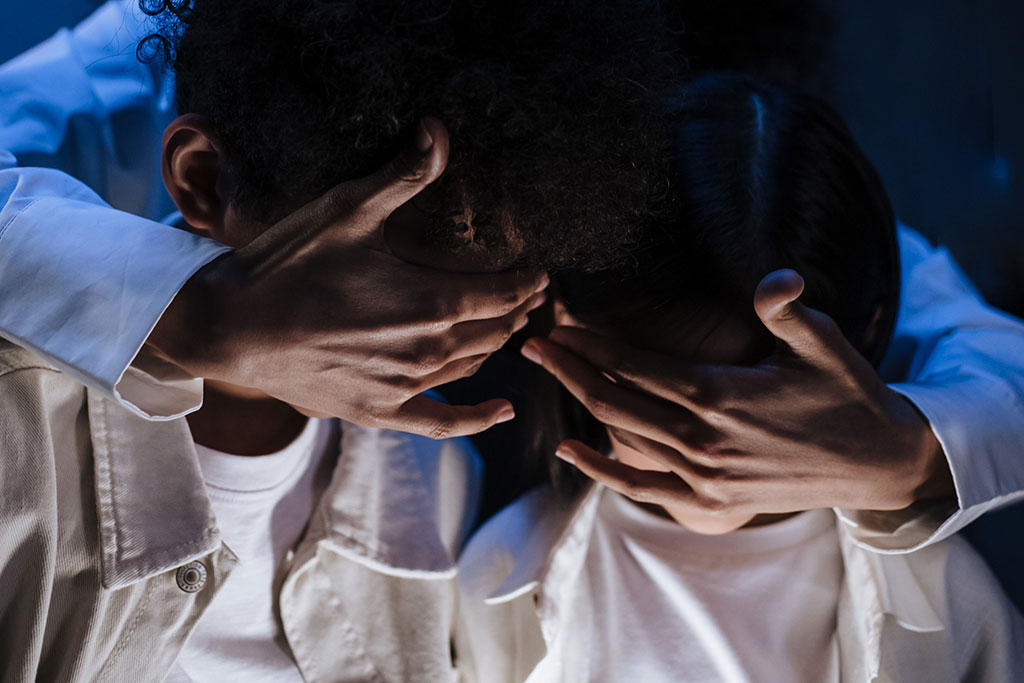
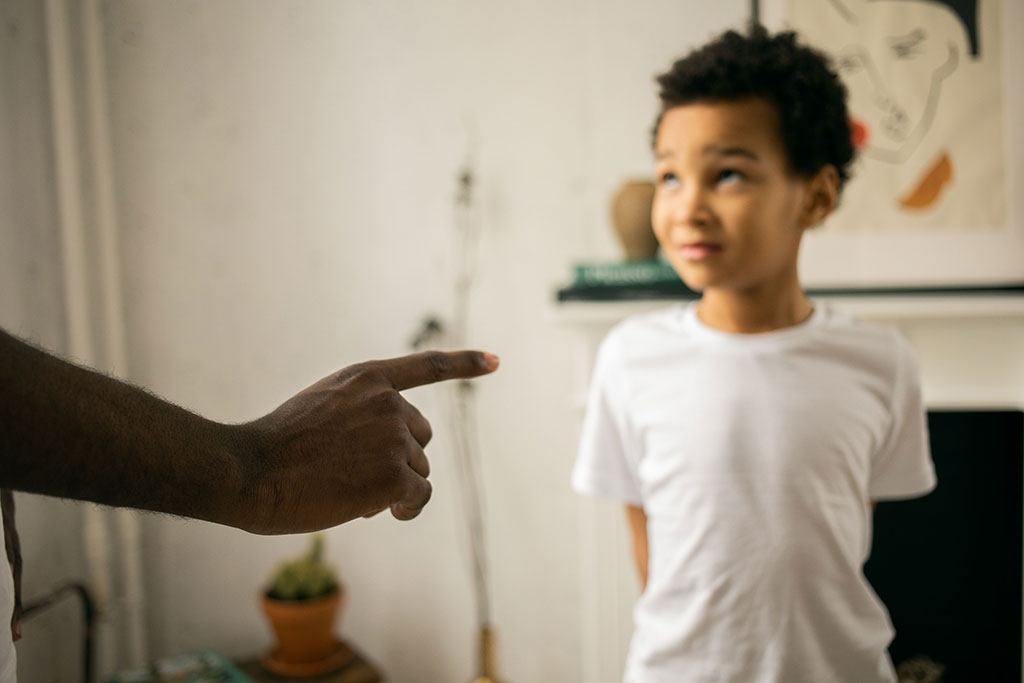
According to multiple studies abusive men are more likely to abuse their children than other men in the general population, who are not perpetrators.
The risk of an abuser abusing his children are as follows:
- Physical abuse
The abuser who hits, chokes or kicks his wife is seven times most likely to be physically abusive to his children and the risk increases with the frequency he abuses his wife. However, there are outliers who hit, kick or beat their children and not their mother. This type of abusers are those that are dictatorial, authoritarian or those who were abused as children. - Child defilement
Men who abuse their wives or partner, are more likely to sexually abuse their children than non-abusers. The abuse may be subtle such as inappropriate or suggestive talk, or it can be aggressive incest. These types of abusers tend to be highly entitled, and extremely self-centered men, who think they are above the law. The presence of physical violence towards the children increases the risk of sexual abuse. Boys are also at risk of the same sexual abuse. In the twisted mind of abusers, children exist to meet their needs including sexual ones. (NB. In Kenya, cases of boys being sexual abused by their fathers, stepfathers or close male relatives are on the rise). - Psychological abuse
The mental cruelty the abuser visits upon his children is much more rampant than acknowledged. The misconception that abuse happens only when it is physical, has led to the suffering of countless of children who are mentally and psychological tormented by the abuser. Psychological abuse is the form of name- calling, humiliation, attack on their person, sexual slurs toward girls and attacking boy’s masculinity. In addition, psychological abuse includes child neglect (refusal to attend children’s events, showing no interest in their lives or withholding their upkeep). Child abuse has negative consequences to children, resulting in difficult and traumatized childhoods that may go way beyond childhood to adulthood.
Stay tuned for part 3: The effect of abuse on children.